
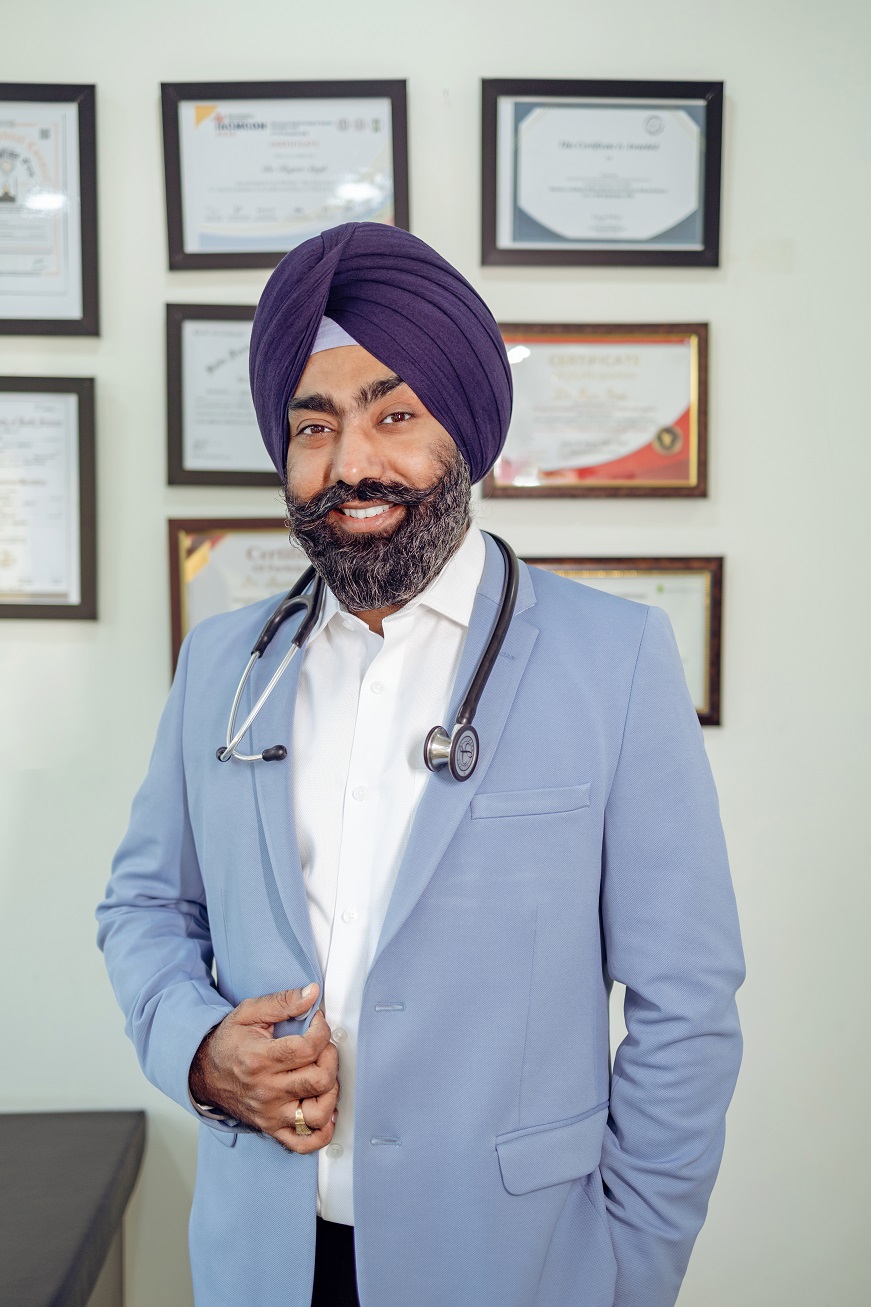
In an era where lifestyle disorders are rising at an alarming rate, preventive healthcare has never been more important. Dr. Rajvir Singh, Head of Internal Medicine at Clear Medi Bahra Hospital and Consultant Physician at Medstellar Healthcare, shares valuable insights on modern health challenges, preventive medicine, and the everyday habits that can significantly improve long-term well-being.
What inspired you to pursue a career in Internal Medicine?
Internal Medicine appealed to me because it combines scientific knowledge with problem-solving and meaningful patient relationships. It offers the opportunity to diagnose complex conditions, manage a wide range of illnesses, and build long-term connections with patients. Being able to positively influence health outcomes and improve quality of life has always been a strong source of motivation for me.
What are the biggest health concerns among urban populations today?
Lifestyle-related diseases such as diabetes, hypertension, obesity, fatty liver disease, and heart disease are becoming increasingly common. Sedentary lifestyles, unhealthy dietary habits, stress, and inadequate sleep are among the major contributing factors. What is particularly concerning is that these conditions are now affecting people at much younger ages than we witnessed in the past.
How important is preventive healthcare in modern medicine?
Preventive healthcare is truly the cornerstone of good health. Regular health screenings, vaccinations, and early identification of risk factors can prevent serious complications and significantly improve long-term outcomes. Prevention not only helps save lives but also reduces the emotional, physical, and financial burden that often accompanies illness.
Having managed critically ill patients, what lessons have you learned?
Critical care teaches humility and reinforces the value of timely intervention. Many severe medical emergencies can be avoided through early diagnosis and appropriate management of chronic diseases. My experience has strengthened my belief that prevention, patient education, and continuity of care are just as important as advanced medical treatments when it comes to achieving better health outcomes.
To read the full article, please log on to the link below:
https://www.magzter.com/IN/SANBROS-MEDIA/Urban-Melange/Fashion/All-Issues