
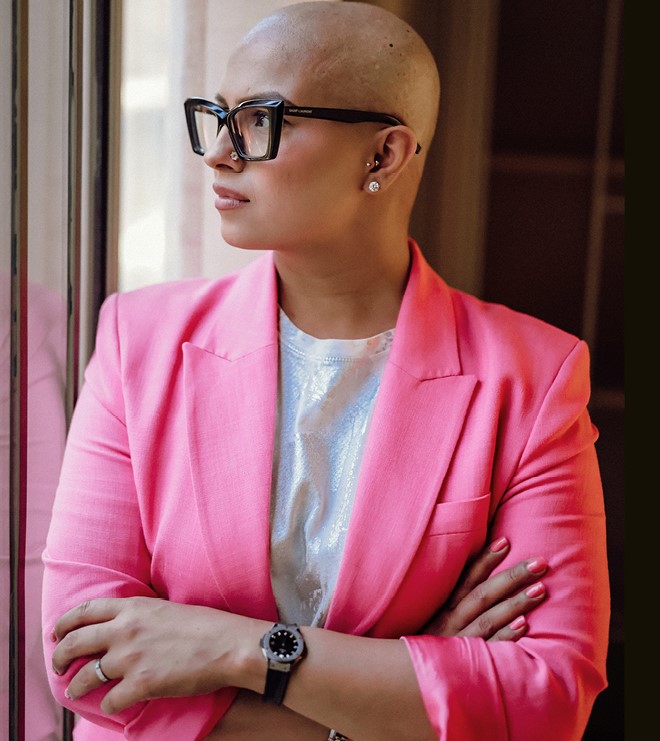
In a world where beauty is often defined by appearances, Joban Sandhu, founder of Kohl Eyes by Jo, redefines it through courage, resilience, and purpose. Her journey as a makeup artist and cancer survivor is not just about transformation—it is about owning one’s story, unapologetically.
Q1. What first drew you to the world of makeup artistry?
Makeup found me before I found it. I was always fascinated by faces—their moods, their stories, their quiet confidence. Kohl, especially, felt like a language. One stroke could say strength, softness, rebellion, or grace. What began as curiosity slowly became purpose: helping women see themselves the way they deserve to be seen.
Q2. How has your work shaped your identity as a woman and professional?
Makeup taught me discipline before it taught me glamour. It made me independent, financially and emotionally. It taught me boundaries, confidence, and ownership of my craft. As a woman, it helped me step into rooms without shrinking. As a professional, it taught me that skill, consistency, and integrity always outlast trends.
Q3. Last year brought an unexpected health challenge—what gave you the strength to keep going?
Clarity. Cancer has a way of stripping life down to what truly matters. I realized early on that I had two choices—to pause life or to participate in it fully. I chose to live loudly, honestly, and without fear. My strength came from refusing to let an illness become my identity.
Q4. What role did your work play during your chemotherapy and recovery journey?
My work grounded me. On days when my body felt unfamiliar, my hands still knew their art. Creating beauty—especially for other women—reminded me that I was still whole, capable, and in control. Work wasn’t a distraction; it was an anchor.
Q5. How did continuing to work help you emotionally during that phase?
It restored normalcy. Cancer tries to make your world very small. Work expanded mine again. It gave me purpose beyond hospital rooms and reports. Every client, every brush stroke, reminded me that I was still me—not fragile, not defined by treatment, but evolving.
Q6. Did your perspective on beauty and confidence change after this experience?
Completely. Beauty is no longer perfection—it’s presence. Confidence is no longer loud—it’s calm. I’ve learned that beauty begins the moment a woman stops apologizing for her scars, her strength, or her survival.
Q7. What was the biggest lesson resilience taught you as a woman?
That resilience is quiet. It’s showing up even when no one is watching. It’s choosing dignity over drama, consistency over chaos, and self-respect over sympathy. Strength isn’t about never breaking—it’s about rebuilding without bitterness.
Q8. How important was community and support during your healing journey?
Invaluable. Healing is never a solo act. Family, friends, clients, and silent well-wishers carried me on days I didn’t realize I needed it. Support doesn’t always come as answers—sometimes it comes as presence, and that was everything.
Q9. What does strength look like to you today?
Strength looks like balance. Knowing when to push and when to pause. It’s waking up grateful, working with intention, and resting without guilt. Strength today is self-trust.
Q10. What message would you like to share with women facing personal or professional setbacks?
Don’t wait to feel fearless—move anyway. Your setback is not a full stop; it’s punctuation. You are allowed to heal and still dream, to struggle and still shine. Keep going. Life doesn’t reward perfection—it rewards courage.
Quote: My work grounded me. On days when my body felt unfamiliar, my hands still knew their art.